Mechanisms of Inequity in Neurocognitive Aging and Dementia Lab
Welcome to the Mechanisms of Inequity in Neurocognitive Aging and Dementia (MIND) Lab!
Understanding how experiences across the life course shape brain aging—and identifying opportunities to prevent dementia and promote cognitive health.
The MIND Lab is dedicated to advancing dementia prevention and promoting healthy cognitive aging through a biosocial life-course model of brain health. This framework recognizes that brain health and dementia risk are shaped by the cumulative interplay of biological, behavioral, social, and environmental experiences across the lifespan, creating opportunities for prevention long before symptoms emerge.
Our research seeks to understand how neighborhood environments, social and structural determinants of health, health behaviors, and biological processes interact across the life course to shape resilience and vulnerability to Alzheimer’s disease and related dementias (AD/ADRD), particularly among historically underserved populations. Rather than viewing dementia risk as the result of biology or environment alone, we seek to identify modifiable pathways for prevention that can be translated into behavioral interventions, community programs, urban planning, healthcare, and public policy to promote healthy brain aging and reduce disparities in dementia.
Our work is guided by several key questions:
• How do neighborhood environments and neighborhood change influence cognitive aging and dementia risk across the life course?
• Through what biological, behavioral, and psychosocial pathways do lived experiences become embedded in the aging brain?
• Why are some individuals more vulnerable—or more resilient—to cognitive decline than others?
• Which modifiable neighborhood and behavioral factors can be targeted to prevent dementia and promote healthy cognitive aging?
• How can research inform community programs, urban planning, healthcare, and public policy that reduce disparities and promote brain health?
Our study visits include:
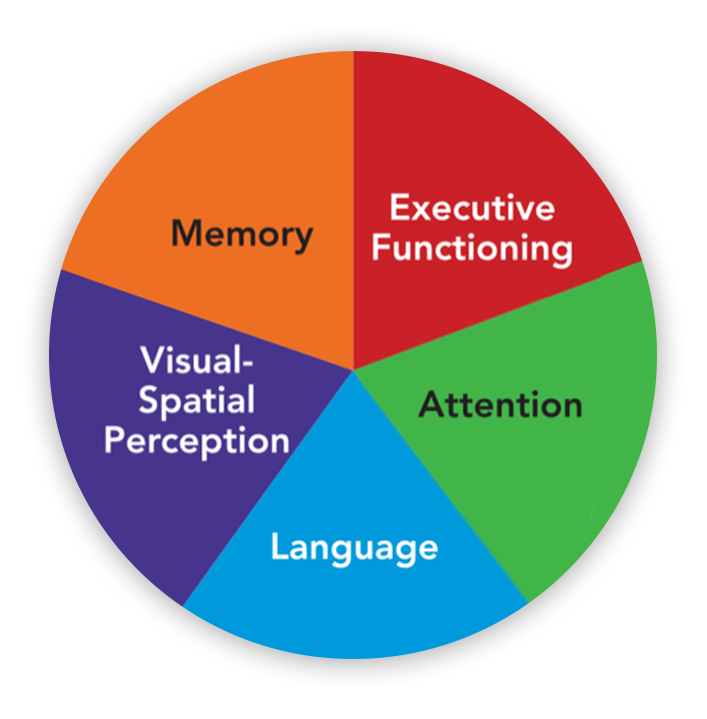
Cognitive Testing
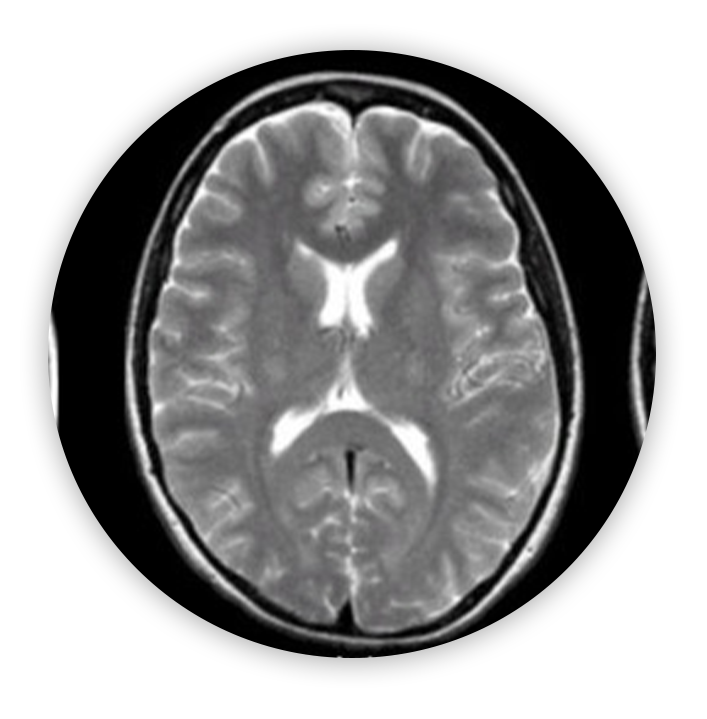
Neuroimaging
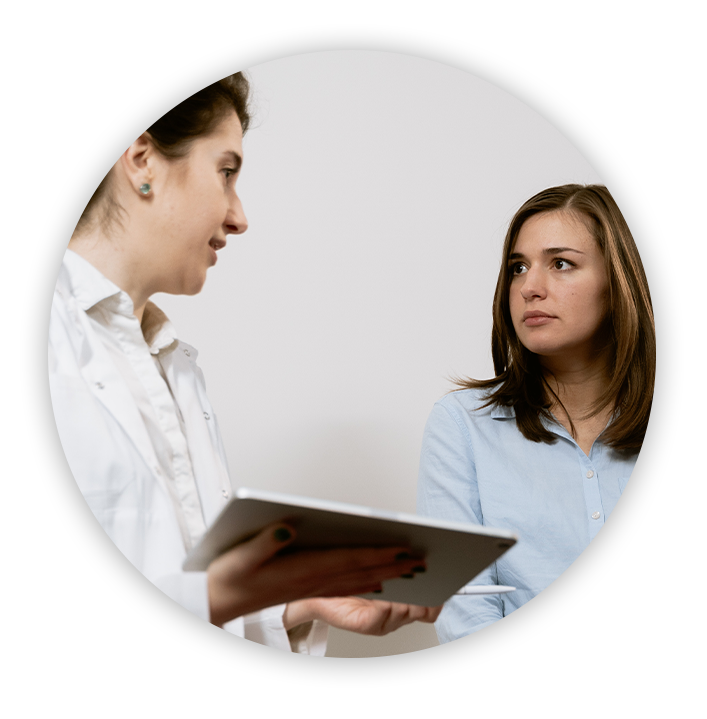
Clinical Interviews

Questionnaires
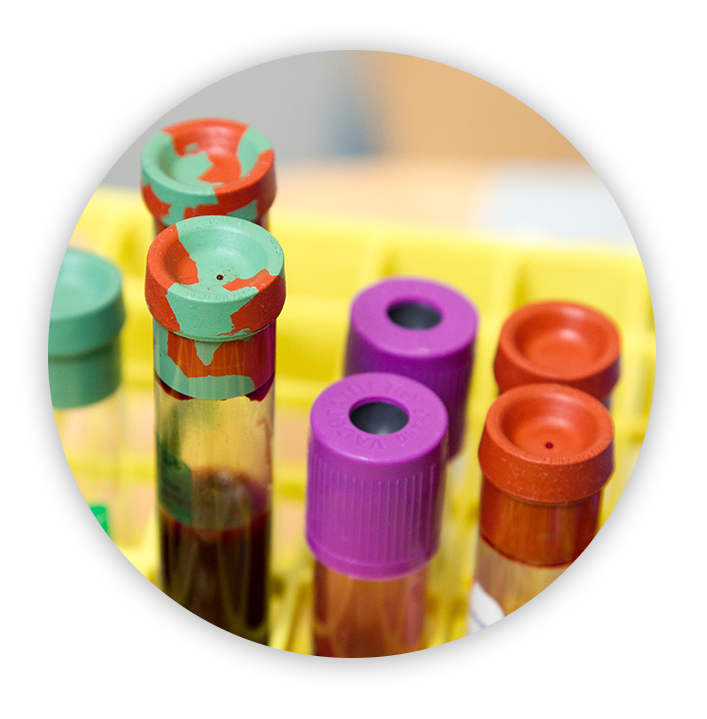
Blood Work
Current Research Studies
Brain Aging Study
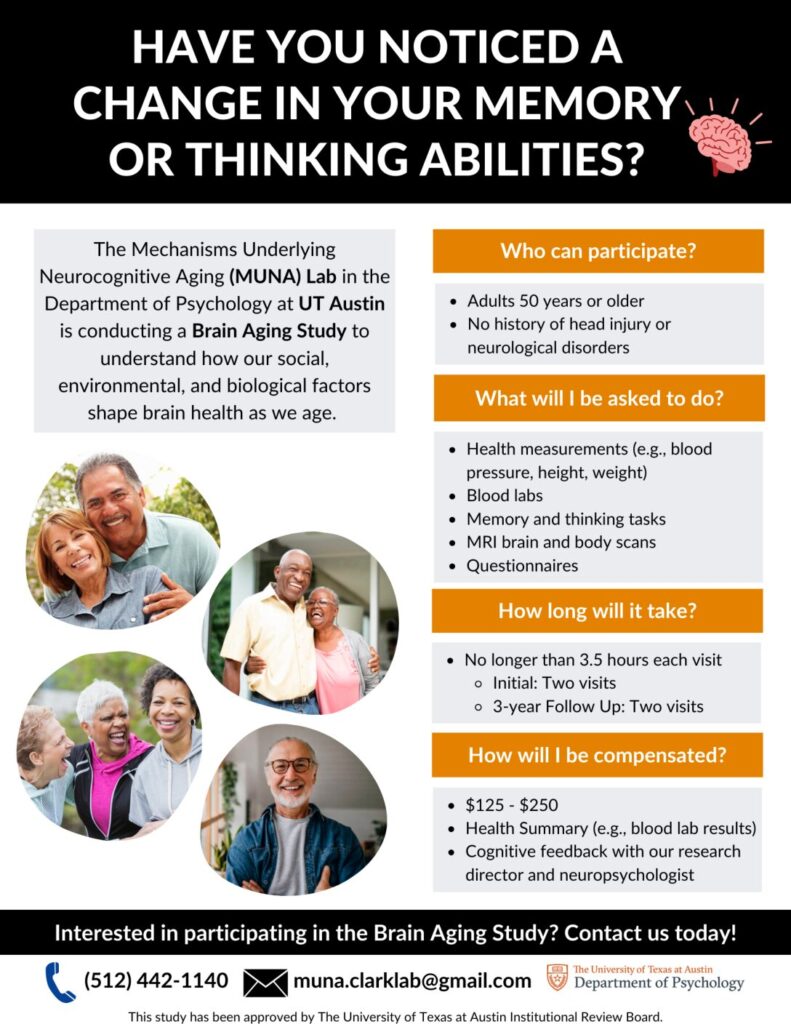
This community brain aging study is focused on exploring links between social determinants of health and heterogeneity in cognitive, biomarker, and neuroimaging signatures within racially/ethnically diverse adults above the age of 50.
Qualitative Neighborhood Study
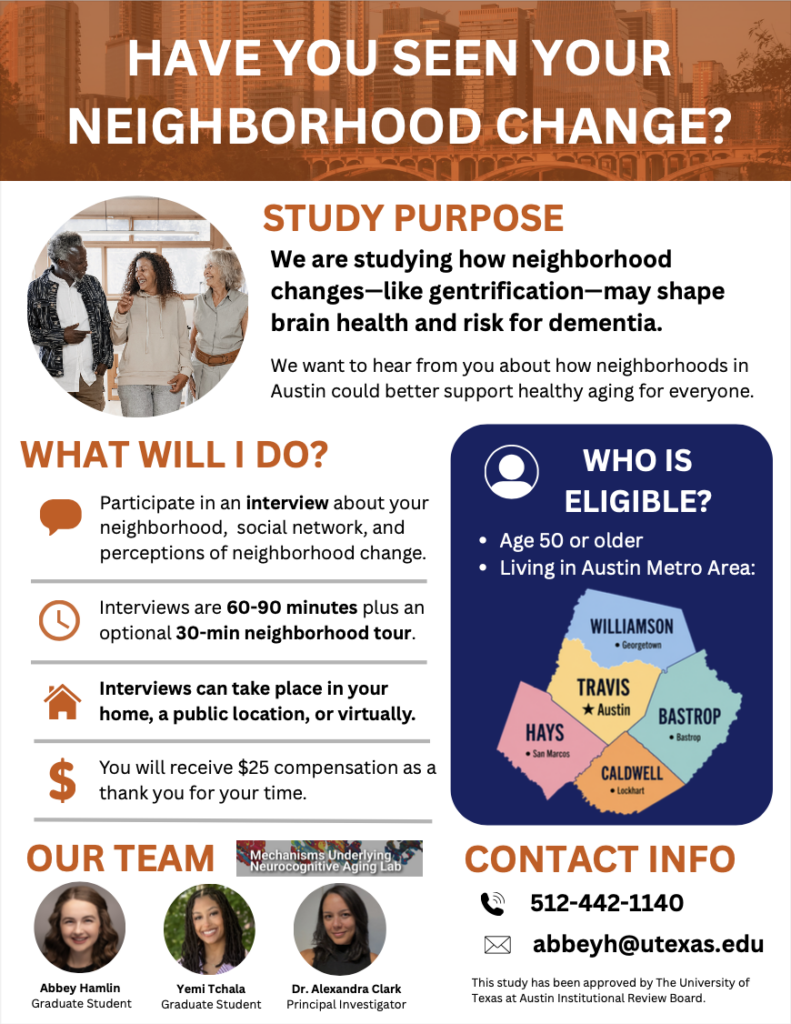
Abbey Hamlin is a fifth-year doctoral student seeking participants for her Neighborhood Interview Study. This study involves a 2.5 hour interview that can take place in your neighborhood, home, or online. Abbey will ask you questions about your perceptions of your neighborhood, your social networks, activities you like to do in your neighborhood, and how you may have seen your neighborhood change over time. She will pay you $35 compensation as a thank you for your time. If you are interested in learning more, please email abbeyh@utexas.edu or call the MUNA Lab at (512) 442-1140.
BEYOND THE MIND LAB
Consistent with the MIND Lab’s mission to advance dementia prevention, Dr. Clark also provides evidence-based clinical and community programs that promote healthy cognitive aging. As a practicing clinical neuropsychologist and supervisor of clinical psychology Ph.D. students, she offers neuropsychological assessment, brain and cardiovascular health education, caregiver support, and cognitive skills groups that teach evidence-based strategies to strengthen cognitive resilience, support everyday functioning, and reduce dementia risk.
The MIND Lab partners with healthcare providers, community organizations, senior centers, and local agencies to deliver brain health education, caregiver support, and cognitive skills programs throughout the Austin community. We welcome collaborations with organizations interested in promoting healthy aging, supporting caregivers, or implementing community-based dementia prevention initiatives.
Interested in participating in our research studies or want to learn more? Please email the MIND Lab: muna.clarklab@gmail.com